WORLD
ACTION
MODEL

Learning physical intelligence through observation and interaction — enabling robots to understand and act in the real world, and generalize across tasks, environments, and embodiments.
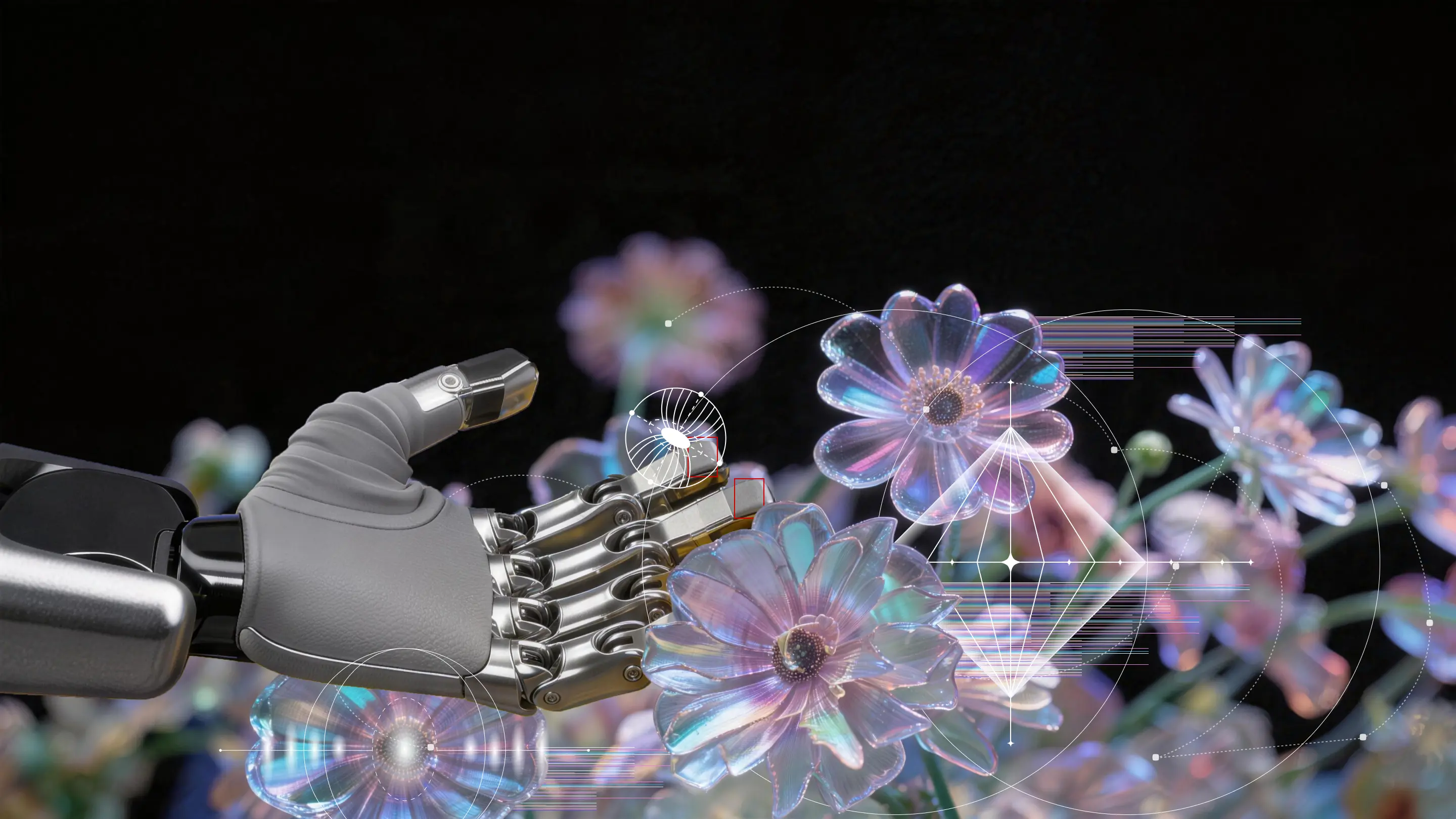
From Physical Interaction
to World UNDERSTANDING
Learning physical intelligence through real-world interaction — enabling robots to manipulate, adapt, and generalize across tasks, environments, and embodiments.
Large-Scale Observation
Diverse robot operation videos, human demonstrations, and proprioceptive recordings — providing broad priors about objects, motion, and environmental dynamics.
 Human Demonstrations
 Videos
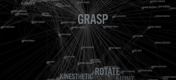 Language
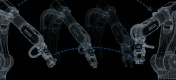 Proprioception
Tactile-Augmented Simulation & Training
Simulation generates diverse interaction variants at scale — augmented with tactile signal modeling to better reflect real contact dynamics.
Real-world tactile data from Sentra continuously recalibrates simulation parameters, ensuring virtual training remains grounded in physical reality.
Real Interaction Data
High-fidelity tactile interaction data capturing force dynamics, contact transition, and material response — the physical ground truth that vision cannot provide.
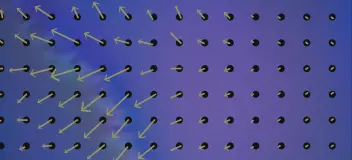 Contact Force Maps
 Tactile Deformation
 Material Response
 Slip Detection
 3D Force Signals
World Action Models
PREDICTIONS GROUNDED IN HOW THE WORLD CAN BE ACTED UPON
NOT JUST HOW IT LOOKS
Inputs
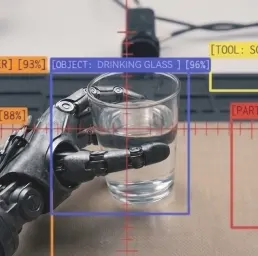 Vision
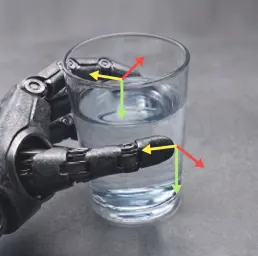 Tactile
 Language
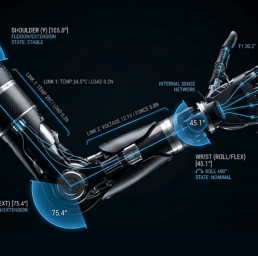 Proprioception
Outputs
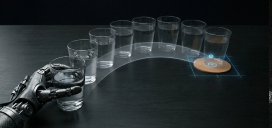 Physical Future Prediction
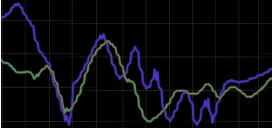 Continuous Action Policy
In contact-rich tasks, tactile signals provide continuous feedback on force, slip, and material response — revealing actionable affordances that guide stable execution through every phase of contact.
Physical interaction follows causal laws — not visual patterns. By grounding models in tactile physics, skills learned in one context transfer to unseen objects and environments without task-specific retraining.
Force, compliance, and contact dynamics are the universal language of physical interaction. Models trained on one platform transfer across robot morphologies — reducing deployment cost for every new embodiment.
OPEN
INTENT-DRIVEN
MANIPULATION
Robots to perceive, plan, and act from intent — without scripts or task-specific programming.
ADAPTIVE
TACTILE INTERACTION
Millisecond tactile feedback stabilizes manipulation behavior in real time.
BUILT-IN SKILL
PRIMITIVE
Composable skill units designed for modular scaling across tasks.
OPEN SKILL
ECOSYSTEM
A shared skill library where manipulation intelligence accumulates, is reused, and continuously evolves across deployments.

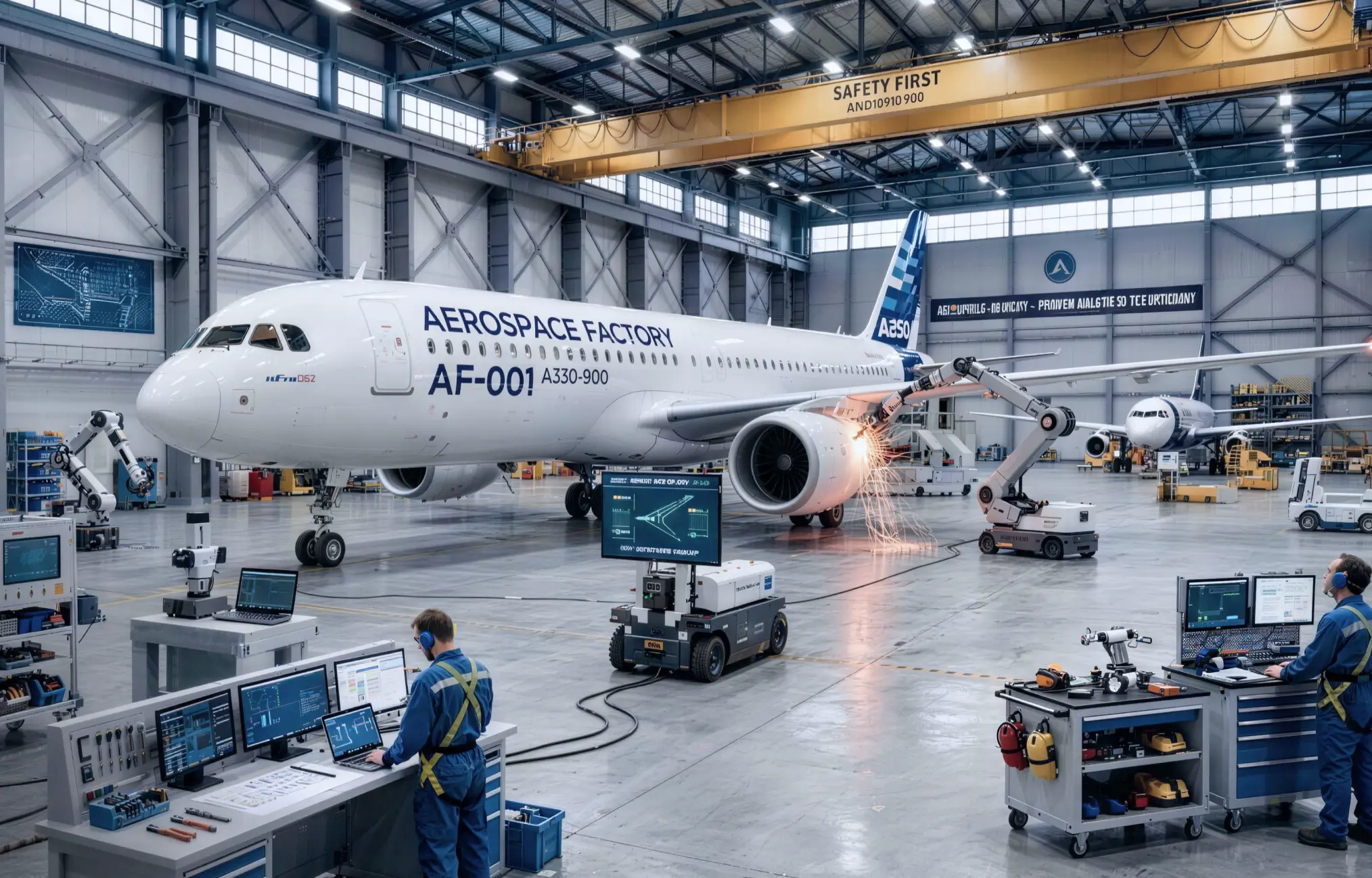

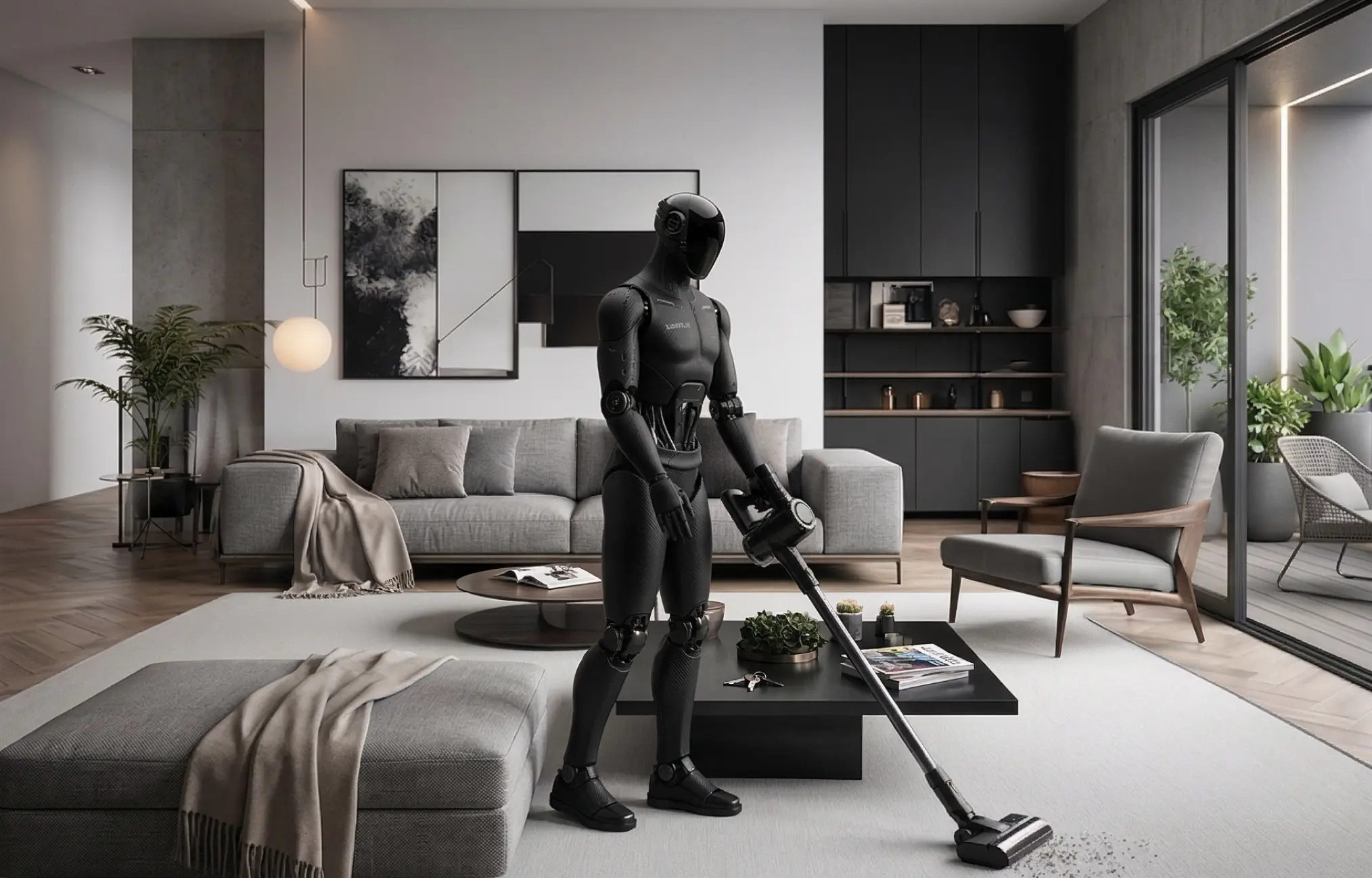
TURNING
PHYSICAL
INTELLIGENCE
INTO REAL–
WORLD IMPACT